The UFO Library: Military encounter
Operation Highjump
A massive 1946–47 U.S. Navy Antarctic expedition led by Admiral Richard Byrd became the center of decades-long UFO conspiracy theories despite official records showing no such encounters.
Operation Overview
Operation Highjump, officially titled The United States Navy Antarctic Developments Program, was launched on August 26, 1946, as the largest U.S. military expedition ever mounted to Antarctica. Led by Admiral Richard E. Byrd, the operation deployed approximately 5,000 personnel, 13 ships (including the aircraft carrier USS Philippine Sea), and 23 aircraft. The stated mission was threefold: to establish a permanent research base (Little America IV) on the Antarctic continent, to test the ability of military personnel and equipment to function in extreme polar conditions, and to evaluate the feasibility of building airfields on Antarctic ice.
The expedition ran from late August 1946 through late February 1947, spanning roughly six months, though it was terminated earlier than originally planned because the Antarctic summer season was drawing to a close. This practical reason for the expedition's conclusion proved crucial to later conspiracy narratives.
The Documented Mission
The historical record shows Operation Highjump was entirely consistent with post-war U.S. strategic interests. Following World War II, the United States and Soviet Union were locked in emerging Cold War competition for geopolitical influence, and establishing an Antarctic presence served both scientific and strategic objectives. The expedition successfully established research facilities, collected valuable oceanographic and meteorological data, and tested military logistics in one of Earth's most inhospitable environments.
Official naval records contain no mention of unusual aerial phenomena, hostile encounters, or any deviation from planned operations. The expedition accomplished its stated objectives and returned to the continental United States with its full complement of ships and personnel.
The UFO Conspiracy Narrative
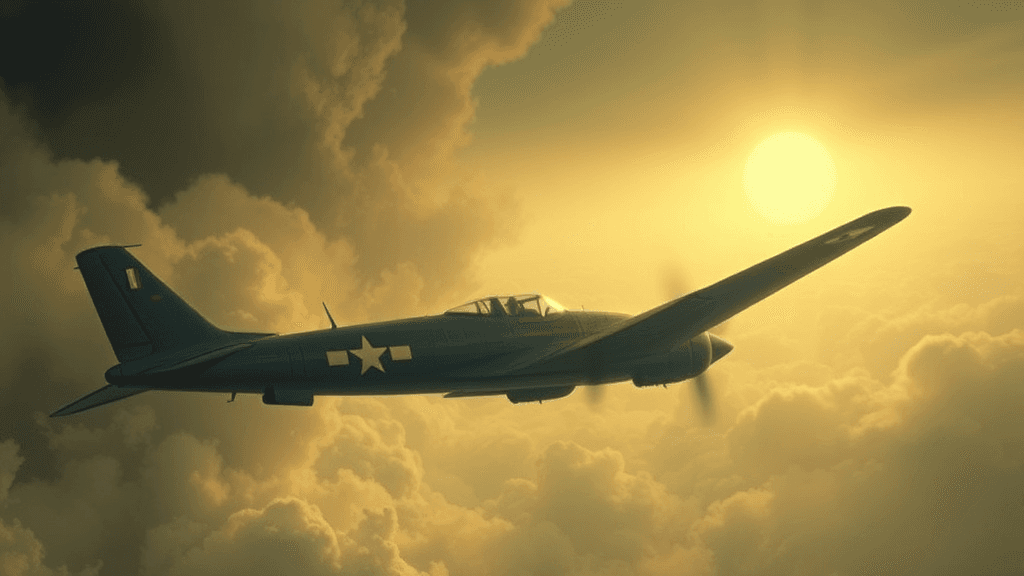
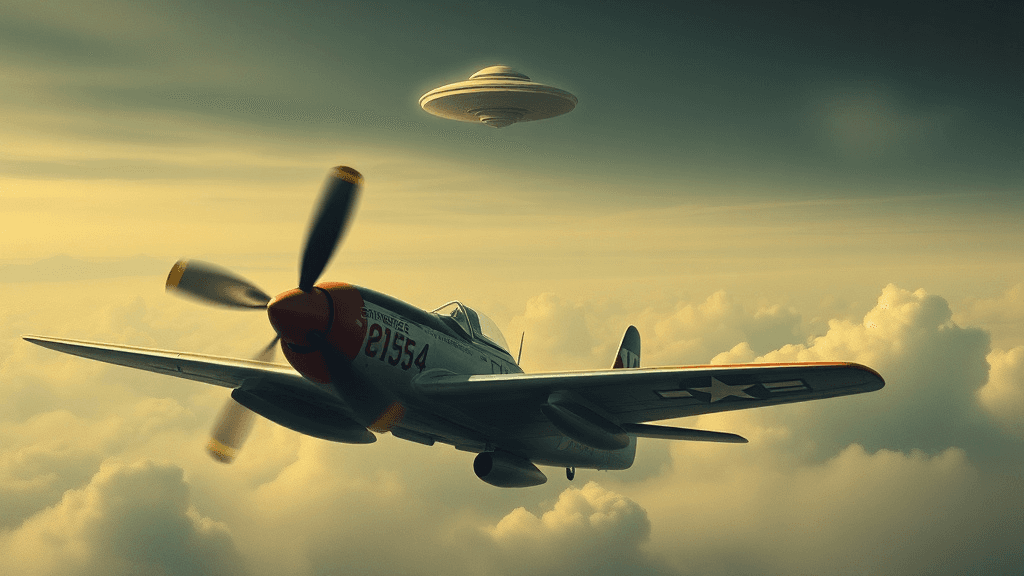
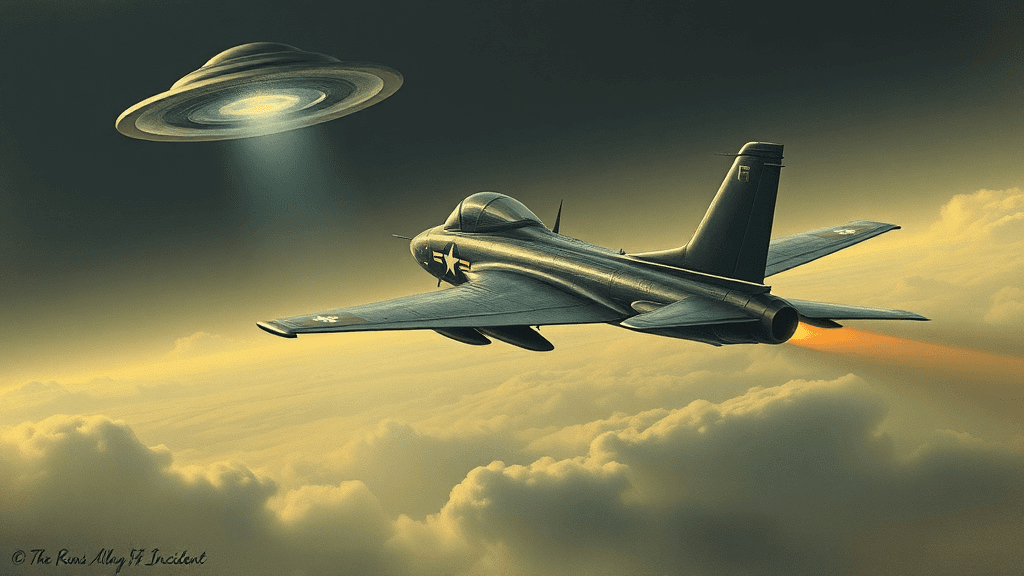
Despite the well-documented nature of the actual expedition, Operation Highjump became entangled with elaborate UFO mythology beginning in the 1950s. The most prominent conspiracy theory claims that Admiral Byrd led an invasion fleet to Antarctica, encountered a fleet of advanced flying saucers (sometimes attributed to surviving Nazis, sometimes to extraterrestrials), suffered catastrophic losses in personnel and equipment, and was forced to retreat. Some versions add claims of a secret Nazi base called "Base 211" or "Neuschwabenland," allegedly hidden in Antarctic mountains and equipped with advanced saucer technology.
The most widely circulated evidence cited by conspiracy theorists is the so-called "Secret Journal" or "Secret Diary" of Admiral Byrd, which allegedly describes encounters with a mysterious polar civilization and advanced aircraft. However, scholars including Dr. Michael Heiser of the Heiser Foundation have thoroughly documented that this journal is largely fabricated. Byrd did make public statements about future aviation threats over the polar regions—reasonable concerns for an experienced aviator in the early jet age—but these have been systematically misinterpreted and embellished to support UFO narratives.
Examination of Claims
The chronological inconsistencies within the conspiracy theories themselves reveal their unreliability. The fabricated Byrd diary places him simultaneously at both the South Pole (during Operation Highjump in late 1946–early 1947) and the North Pole (on an alleged February 1947 flight), creating an obvious timeline contradiction. Additionally, no credible military or naval records corroborate the alleged UFO battle, the catastrophic casualties claimed, or any extraordinary events.
The early termination of the expedition—often cited as evidence that Byrd "retreated" after combat—is straightforwardly explained by the Antarctic seasonal calendar. The southern summer runs October through February; extending operations into March would have been operationally impractical and dangerous. The scheduled conclusion has been reframed by conspiracy literature as a forced withdrawal.
Cultural Persistence and Significance
Operation Highjump remains a touchstone in UFO and alternative history communities, illustrating how real historical events can become distorted through layers of speculation and fabrication. The incident demonstrates the mechanisms by which credible, documented military operations become mythologized: through misinterpreted public statements, creation of false documentary evidence, and retroactive reframing of practical decisions as evidence of hidden encounters. The Byrd narrative endures despite clear scholarly debunking, serving as a reminder of the difference between verifiable historical fact and folkloric interpretation.
Witnesses
Admiral Richard E. Byrd (expedition commander); ~5,000 naval personnel.
Filed under
Watch
Operation Highjump | Mission: Find and Destroy the Secret Nazi UFO Base In Antarctica
THE SECRET LAND ANTARCTICA U.S. NAVY OPERATION HIGH JUMP REEL 2 2497
Hollow Earth, The Alien Lake, And Other Frozen Mysteries
UFO SECRET - OPERATION HIGH JUMP – UFOs, NAZIs and ADMIRAL RICHARD E. BYRD
UFO : Episode Two - Operation Highjump
Where this entry came from
ProvenanceAgent indexedUpdated 4mo ago4 sources
Drafted by the archive's AI research agent from the sources below; corrections from readers are reviewed and folded in.
- First indexed
- 19 JUN 26 // 22:20Z
- Last updated
- 19 JUN 26 // 22:20Z
- Operation Highjump, Wikipedia
- Operation Highjump, Smithsonian Magazine
- The Admiral Byrd / Operation Highjump Myth, Dr. Michael Heiser, Dr. Michael Heiser Foundation
- Why the US Navy Invaded Antarctica in 1946 (And the UFO Myth It Created), War History Online
Notes
- Operation Highjump, Wikipedia
- Operation Highjump, Smithsonian Magazine
- The Admiral Byrd / Operation Highjump Myth, Dr. Michael Heiser, Dr. Michael Heiser Foundation
- Why the US Navy Invaded Antarctica in 1946 (And the UFO Myth It Created), War History Online
Also available

The Secret Land
Academy Award-winning documentary about the U.S. Navy's 1946-1947 Operation Highjump expedition to Antarctica. Narrated by Robert Taylor, Robert Montgomery, and Van Heflin, it documents the massive military mission led by Admiral Richard E. Byrd with 13 ships and over 4,000 personnel exploring and mapping 1.3 million square miles of the Antarctic continent.
Third Reich - Operation UFO
Russian documentary (fully translated to English) exploring the mysterious aspects of Operation Highjump, including theories about Nazi UFO bases in Antarctica ('Base 211') and alleged encounters with unidentified flying objects during Admiral Byrd's 1947 Antarctic mission. Features high-ranking Russian scientists and military perspectives on Third Reich advanced technology.